
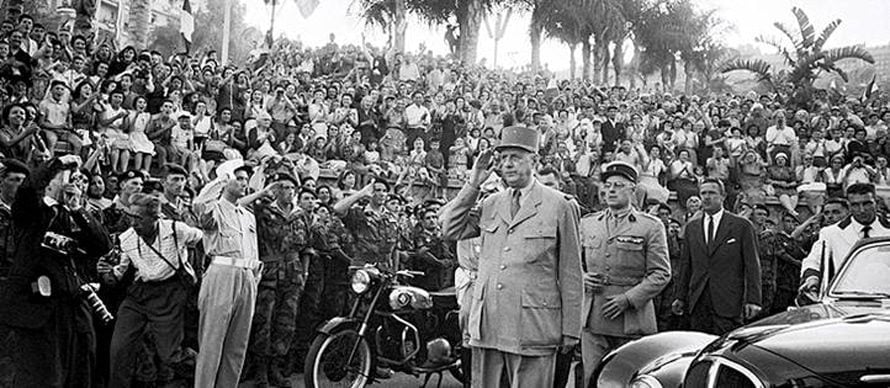
The Algerian War of Independence, spanning from 1954 to 1962, was a pivotal conflict that marked the end of French colonial rule in Algeria and significantly influenced the wider process of decolonization across Africa and the Arab world. This war was characterized by intense guerrilla warfare, political upheaval, and a profound struggle for self-determination. It not only reshaped the political landscape of Algeria but also challenged the colonial powers’ authority and highlighted the complex dynamics of colonial resistance and international diplomacy. Understanding this conflict requires examining the historical background, key events, and lasting impacts that defined this critical chapter in the history of decolonization.
Historical Context Leading to Algeria’s Fight for Independence
Prior to the outbreak of the war, Algeria had been a French colony since 1830, with a complex social and political structure. The colonization process led to the displacement of indigenous Algerians, economic exploitation, and cultural suppression. By the early 20th century, a growing sense of national identity and frustration with colonial inequalities fostered political activism among Algerians. The aftermath of World War II intensified these sentiments, as Algerians who fought alongside Europeans in the war expected greater political rights and independence, only to face continued discrimination. The establishment of French settler communities, known as colons or pieds-noirs, further deepened divisions, creating a society sharply divided along racial and economic lines. The social unrest and desire for sovereignty culminated in the formation of nationalist movements, setting the stage for a broader struggle for independence.
The Formation of the National Liberation Front (FLN)
The National Liberation Front (FLN) was founded in 1954 as the primary organization leading the Algerian independence movement. It emerged from a coalition of various nationalist groups united by the goal of ending French rule and establishing an independent Algerian state. The FLN adopted a revolutionary approach, combining political activism with armed resistance, and sought to mobilize the Algerian population against colonial authority. Its founding marked a turning point, as it officially declared the start of the armed struggle on November 1, 1954, with coordinated attacks across the country. The FLN also aimed to unify diverse factions within Algeria and gain international support for their cause, positioning itself as the legitimate representative of Algerian aspirations for independence.
Major Battles and Guerrilla Warfare Tactics Employed
The war was characterized by asymmetric warfare, with the FLN employing guerrilla tactics designed to undermine French military and administrative control. Major battles and operations targeted key infrastructure, military installations, and colonial authorities. The FLN organized ambushes, sabotage, and hit-and-run attacks, often operating in rural and mountainous regions where French forces struggled to maintain control. Urban guerrilla warfare also intensified, particularly during the Battle of Algiers, where FLN fighters infiltrated the city to carry out bombings and assassinations. These tactics created a state of constant insecurity for French settlers and soldiers, forcing France to escalate military measures. The conflict’s brutality and the FLN’s resilience ultimately prolonged the war and drew international attention to Algeria’s independence struggle.
French Colonial Policies and Their Impact on Algerians
French policies in Algeria during this period were marked by repression, discrimination, and efforts to preserve colonial dominance. The French government implemented strict security measures, including mass arrests, curfews, and censorship, to suppress the independence movement. The settler community enjoyed privileged status, with access to land, political influence, and economic benefits, which fueled resentment among indigenous Algerians. The policies also included attempts at cultural assimilation, such as the promotion of French language and institutions, which were often resisted by Algerian nationalists. These policies fostered widespread discontent, social unrest, and radicalization among Algerians, who increasingly viewed colonial rule as illegitimate. The systemic inequalities and violence committed by colonial authorities contributed significantly to the escalation of the war.
International Reactions and Support for Algerian Independence
The Algerian war drew mixed reactions from the international community. Some countries, particularly in the Arab world and Africa, expressed solidarity with the Algerian cause, viewing their struggle as part of broader anti-colonial movements. Countries like Egypt, Morocco, and Tunisia offered political support and moral encouragement. However, Western powers, especially France’s traditional allies, were often cautious or supportive of maintaining stability and their strategic interests in North Africa. The conflict also attracted attention from the United Nations, where debates over decolonization and self-determination intensified. The war’s brutality and the human rights violations reported by international observers increased pressure on France to seek a resolution. Over time, global opinion shifted increasingly in favor of Algerian independence, influencing diplomatic negotiations and international support.
The Role of Algerian Civil Society During the Conflict
Civil society in Algeria played a critical role throughout the war, both in supporting the independence movement and in maintaining social cohesion under difficult circumstances. Algerian intellectuals, students, and religious leaders contributed through political activism, dissemination of nationalist ideas, and organizing protests. Many civilians provided logistical support to the FLN, such as hiding fighters or smuggling supplies. Women also played an essential role, participating in both combat support and civil resistance activities. The war fostered a sense of unity among Algerians, despite ethnic, religious, and regional differences. The resilience and perseverance of civil society helped sustain the nationalist movement, even as violence and repression intensified. Their efforts helped shape the national identity that would eventually underpin post-independence Algeria.
The Turning Point: Battle of Algiers and Its Significance
The Battle of Algiers, which took place from 1956 to 1957, was a pivotal moment in the conflict. It involved intense urban guerrilla warfare between FLN fighters and French security forces. The FLN sought to destabilize French control in the city through bombings, assassinations, and sabotage, while French forces implemented counter-insurgency measures, including mass arrests, torture, and reprisals. The battle exposed the brutal realities of the conflict and drew international attention to the Algerian struggle. It also marked a shift in French military tactics, moving towards more aggressive and controversial methods. The battle’s outcome demonstrated the FLN’s resilience and ability to operate within urban environments, symbolizing the broader struggle for independence and inspiring continued resistance despite heavy repression.
Negotiations and the Evian Accords Ending the War
After years of intense fighting and international pressure, negotiations between France and the FLN commenced in the early 1960s. These negotiations culminated in the signing of the Evian Accords in March 1962, which laid the groundwork for Algerian independence. The accords included provisions for a ceasefire, the withdrawal of French troops, and the recognition of Algeria’s sovereignty. The process was complex, involving negotiations over the rights of settlers, economic issues, and the future governance of Algeria. The accords marked the official end of the war and the beginning of a new chapter in Algerian history. The referendum held in July 1962 resulted in overwhelming support for independence, and Algeria officially gained independence on July 5, 1962. The war’s end was a moment of both relief and reflection for Algerians and the international community.
Legacy of the Algerian War and Its Influence on Decolonization
The Algerian War of Independence had profound and lasting impacts on both Algeria and the wider world. It was a catalyst for the decolonization of Africa and inspired numerous independence movements across the continent. The war demonstrated the effectiveness of guerrilla warfare and the importance of international diplomacy in anti-colonial struggles. It also exposed the brutal realities of colonial rule, prompting debates about human rights and self-determination. For Algeria, independence brought challenges of nation-building, political stability, and economic development, many of which persisted in the post-independence era. The conflict remains a defining moment in Algerian history, symbolizing the resilience of a colonized people seeking sovereignty and shaping the course of global decolonization efforts in the mid-20th century.
The Algerian War of Independence was a defining chapter in the history of anti-colonial struggles, illustrating the complex interplay of military resistance, political negotiations, and international diplomacy. It challenged colonial dominance, inspired subsequent liberation movements, and ultimately led to the emergence of an independent Algerian state. Its legacy endures as a testament to the resilience of a people determined to claim their right to self-determination and sovereignty, leaving an indelible mark on the history of decolonization worldwide.